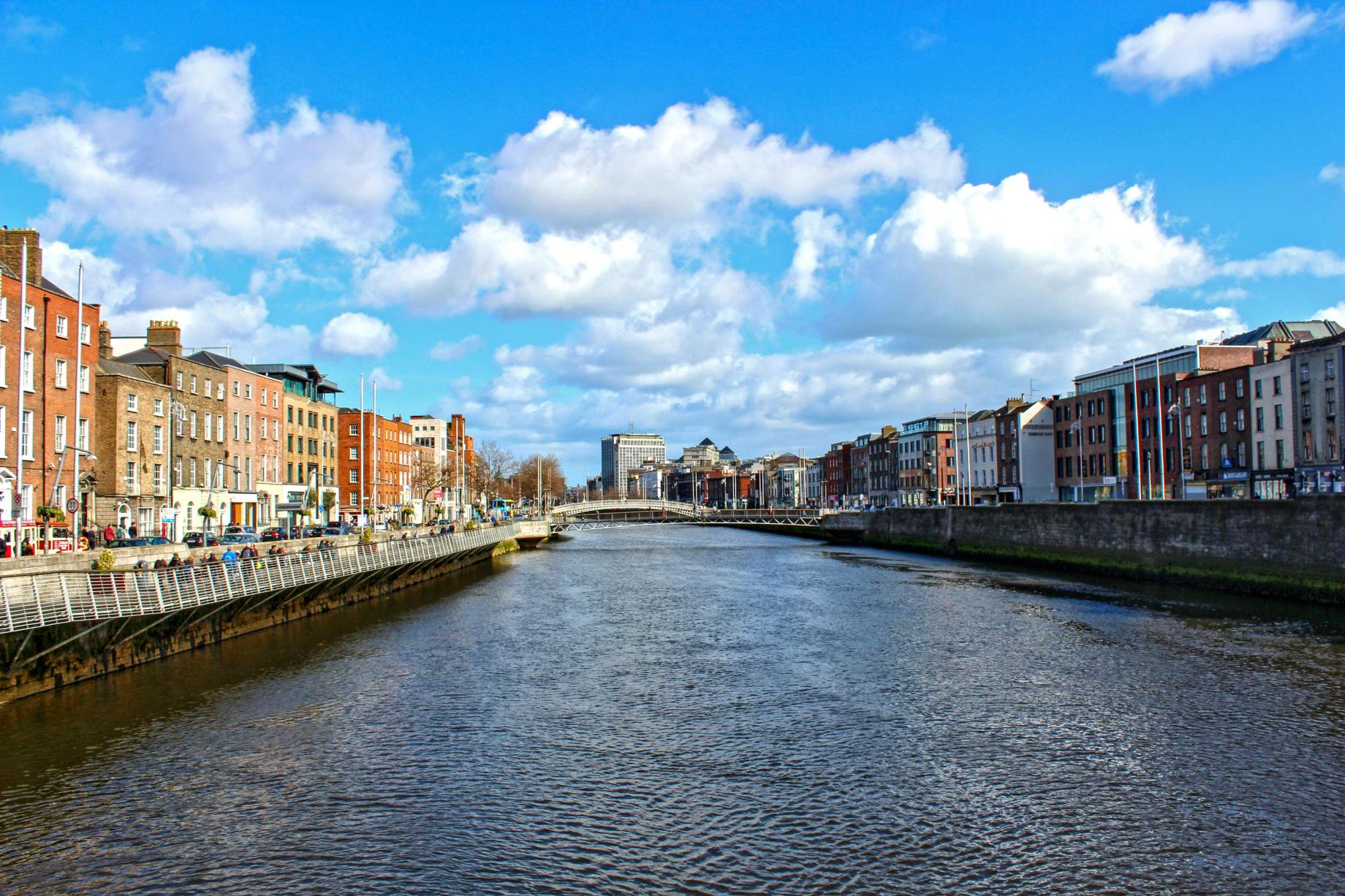
Ireland has become an increasingly popular choice for international students. Students from over 120 countries now choose to study in Ireland, making it one of the most culturally diverse higher education environments in Europe.
This continued growth reflects Ireland’s reputation for high-quality education, steady economic development, post-study work opportunities, and access to multinational employers based in Dublin. For those researching courses in Ireland, the Ireland education system offers internationally recognised qualifications within an expanding and career-focused economy.
What are the Pros and Cons of Ireland for International Students?
For international students considering education in Ireland, the decision usually comes down to opportunity versus practical considerations. Ireland offers clear academic and career advantages, alongside a few realities to plan for.
Pros
Global Student Community:
With students from over 120 countries, those who choose to study in Ireland join a diverse and internationally connected academic environment.
Post-Study Work Opportunities:
Under Ireland’s Third Level Graduate Programme (Stamp 1G), eligible international graduates may remain in the country for up to two years after completing their degree, allowing time to secure employment.
Growing Economy:
Ireland’s economy has grown by approximately 3.5-4% annually in recent years. Consistent growth like this generally signals expanding industries and job creation – signally opportunities for graduates.
Irish Culture:
Ireland is known for its culture, history and strong sense of community. Alongside academic study, students can live dynamic city lives and access to some of Europe’s most recognisable natural landscapes.
Cons
Cost of Living:
The cost of living in Ireland, particularly in cities such as Dublin and Cork, can be relatively high. It’s helpful to take a look at some budgeting tips for international students to manage things like accommodation, transport and daily expenses.
Weather and Climate:
Ireland has a mild but often wet climate, with frequent rainfall and changeable weather. Students from warmer regions may need time to adjust.
Accommodation Challenges:
There are multiple accommodation options for international students in Ireland, but it can be competitive in central areas, especially at peak intake periods. Shared housing is common and may require adjustment when living with new roommates from different cultural backgrounds.
Which Courses Are Best to Study in Ireland for Jobs?
For students choosing to study in Ireland, aligning your degree with high-demand sectors can improve long-term employability.
Courses most closely connected to Ireland’s strongest employment sectors include:
- Business and Management
- Finance and FinTech
- Data Analytics and Technology
- Marketing and Digital Strategy
- English Language and Communications
Dublin is home to offices of 20+ major multinational tech and finance companies, including Google, Microsoft, Amazon and more. This concentration of global employers strengthens career pathways for graduates in business and technology-related disciplines.
Why Ireland is Becoming a Study Hub for International Students
Ireland’s rise as a study destination is driven by broader economic, educational and industry shifts. These structural factors continue to strengthen its global position within international higher education.
1. High-Quality Education:
Ireland’s education system is internationally recognised, with qualifications that hold strong global credibility across industries and academic institutions.
2. Welcoming and Safe Student Environment:
Ireland consistently ranks as a stable and accessible destination, supporting international mobility and long-term student growth.
3. Wide Range of Course Options:
A broad portfolio of courses in Ireland spans business, finance, technology and language education, attracting diverse international cohorts.
4. English Language Advantage:
As an English-speaking EU country, Ireland offers full language immersion alongside internationally recognised degrees.
5. Structured Student Visa System:
The Ireland student visa framework operates under clearly defined academic and financial criteria, supporting transparent entry requirements.
6. Strong Return on Investment:
According to Ireland’s Higher Education Authority (HEA), over 80% of graduates are in employment or further study within nine months of graduation, reinforcing Ireland’s focus on career outcomes.
7. Access to Global Employers:
Dublin hosts offices of 20+ multinational technology and finance companies, strengthening links between higher education and global industry.
8. Cultural and Geographic Position:
Ireland’s location within Europe supports international connectivity, mobility and professional networking.
9. Sustained Economic Growth:
Ireland’s GDP has grown by approximately 3.5-4% annually in recent years, reflecting consistent economic expansion and sector investment.
10. Post-Study Work Pathways:
Eligible graduates may remain in Ireland for up to two years under the Third Level Graduate Programme, supporting transition into the labour market.
Planning to Study in Ireland? Good choice. We can help.
If you’re planning to study in Ireland, IBAT Dublin takes a learner-first approach, with programmes designed to reflect current industry needs.
IBAT Dublin combines academic integrity, industry relevance and a focus on developing independent, work-ready graduates. At IBAT, our classes are intentionally small, allowing for direct engagement with tutors and consistent academic feedback. Based in central Dublin, IBAT offers close proximity to Ireland’s business and technology sectors while maintaining a supportive and collaborative learning environment.
For those relocating from overseas, IBAT Dublin has a dedicated team that provides practical guidance for international students. Support includes assistance with understanding the Ireland student visa process, accommodation planning and general preparation for studying abroad.
FAQs
Can international students work while studying in Ireland?
Yes. International students on a valid Ireland student visa are generally permitted to work up to 20 hours per week during term time and full-time during official holiday periods, subject to immigration conditions.
Is IELTS mandatory to study in Ireland?
English language requirements depend on the institution and programme. Many providers require proof of English proficiency, such as IELTS or an equivalent qualification, before confirming admission.
How much does it cost to study in Ireland for international students?
The cost of studying in Ireland varies depending on tuition fees, accommodation and living expenses. Non-EU undergraduate tuition fees typically range from €10,000 to €25,000 per year, with Dublin generally having higher living costs than other regions.
Are Irish degrees recognised internationally?
Yes. Qualifications awarded under the Ireland education system are widely recognised internationally by employers and academic institutions.
Are scholarships available for international students in Ireland?
Scholarship availability depends on the institution and programme. Students should review individual course pages or contact their chosen provider for current scholarship options.
